LITHIUM-ION BATTERIES
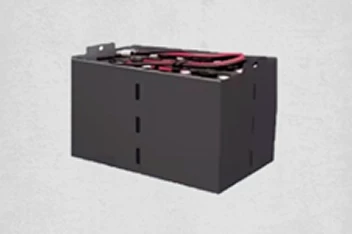
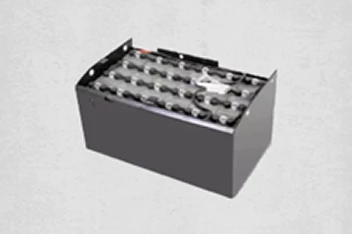
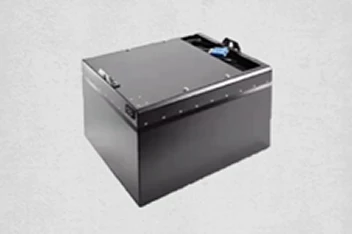
Maintenance-free power that lasts a full shift, supports opportunity charging and performs across a broad range of operating temperatures.
EXPLORE LI-IONEvery lift, shift and load depends on power. Forklift power sources drive the motor, hydraulics and lifting mechanisms of your materials handling equipment. There are several types of forklift power sources and choosing the right one can help control costs and maximize productivity, while the wrong choice can create unnecessary challenges. Compare different battery types like electric, internal combustion and hydrogen fuel cells to find the best forklift power source for your operation.
While other OEMs and forklift battery suppliers may have limited options based on their own capabilities, Hyster doesn’t, thanks to our extensive line of lift trucks available with a wide variety of forklift power options. Explore the benefits of each option to weigh the pros and cons and choose the best forklift power source for your operation.
There’s much to consider when you compare forklift power sources. Are you using the most efficient source for your fleet? Are regulations pressuring you to re-evaluate? With so many new energy technologies, is it time to modernize? The following table can provide some insight.
| EMISSION | SPACE REQUIREMENT | MAINTENANCE | LOCAL UTILITY REQUIREMENTS | REQUIRED OPERATOR INVOLVEMENT | power impact on productivity | UPRFONT COST | OPERATIONAL COSTS | TOTAL COST OF OWNERSHIP | BEST USE CASE | |
|---|---|---|---|---|---|---|---|---|---|---|
| HYDROGEN FUEL CELLS |
 No harmful emissions; only water vapor and heat |
Space-efficient infrastructure; storage can be located outside facility with dispensers located indoors or outdoors |
 Moderate maintenance requirements |
 None, though refueling system may have requirements |
Simple, fast refueling |
Consistent power delivery until full depletion |
$$$$$
|
$$$
|
$$$$
|
High-throughput, multi-shift or port operations. Hydrogen regionally accessible. |
| LITHIUM-ION BATTERIES |
No harmful emissions |
No specialized changing or maintenance rooms required |
No maintenance or equalization required |
More intense electrical grid burden, depending on fleet size and charge intervals. |
Designed for opportunity charging; faster recharge capability than lead acid |
Consistent power delivery until full depletion |
$$$$
|
$
|
$$
|
Fast-paced industrial warehouse and yard applications across many industries |
| Thin Plate Pure Lead (TPPL) |
No harmful emissions |
No specialized changing or maintenance areas required |
No maintenance required, fast equalization |
Moderate electrical requirements, depending on fleet size |
Designed for opportunity charging, faster recharge than traditional lead acid |
Slight power output decline as charge depletes |
$$$
|
$$
|
$$
|
Light- to medium-duty indoor and outdoor applications |
| LEAD ACID BATTERIES |
None while in operation, but does emit fumes that require ventilation during battery charging |
 Separate room, infrastructure often required for battery charging, changing and maintenance |
Higher maintenance requirements compared to other electric options |
Moderate electrical requirements, depending on fleet size |
Complex and time-consuming battery maintenance, charging or changing |
Diminishing power output as battery charge depletes |
$$$
|
$$$
|
$$$
|
Light- to medium-duty indoor and outdoor applications |
| INTERNAL COMBUSTION ENGINE |
Emissions while in operation. Well-suited for outdoor or properly ventilated environments |
Primary fueling and storage infrastructure located outside facility |
Requires regular, but not daily, maintenance |
None |
Simple, fast refueling with tank changes or pump |
Consistent power delivery until full depletion |
$$
|
$$$$$
|
$$$$
|
Ports and heavy-duty outdoor applications. Locations with limited electrical infrastructure |
| EMISSION | SPACE REQUIREMENT | MAINTENANCE | LOCAL UTILITY REQUIREMENTS | REQUIRED OPERATOR INVOLVEMENT | power impact on productivity | UPRFONT COST | OPERATIONAL COSTS | TOTAL COST OF OWNERSHIP | BEST USE CASE | |
|---|---|---|---|---|---|---|---|---|---|---|
| HYDROGEN FUEL CELLS |
No harmful emissions; only water vapor and heat |
Space-efficient infrastructure; storage can be located outside facility with dispensers located indoors or outdoors |
Moderate maintenance requirements |
None, though refueling system may have requirements |
Simple, fast refueling |
Consistent power delivery until full depletion |
$$$$$ |
$$$ |
$$$$ |
High-throughput, multi-shift or port operations. Hydrogen regionally accessible |
| LITHIUM-ION BATTERIES |
No harmful emissions |
No specialized changing or maintenance rooms required |
No maintenance or equalization required |
More intense electrical grid burden, depending on fleet size and charge intervals. |
Designed for opportunity charging; faster recharge capability than lead acid |
Consistent power delivery until full depletion |
$$$$ |
$ |
$$ |
Fast-paced industrial warehouse and yard applications across many industries |
| THIN PLATE PURE LEAD (TPPL) |
No harmful emissions |
No specialized changing or maintenance areas required |
No maintenance required, fast equalization |
Moderate electrical requirements, depending on fleet size |
Designed for opportunity charging, faster recharge than traditional lead acid |
Slight power output decline as charge depletes |
$$$ |
$$ |
$$ |
Light- to medium-duty indoor and outdoor applications |
| LEAD ACID BATTERIES |
None while in operation, but does emit fumes that require ventilation during battery charging |
Separate room, infrastructure often required for battery charging, changing and maintenance |
Higher maintenance requirements compared to other electric options |
Moderate electrical requirements, depending on fleet size |
Complex and time-consuming battery maintenance, charging or changing |
Diminishing power output as battery charge depletes |
$$$ |
$$$ |
$$$ |
Light- to medium-duty indoor and outdoor applications |
| INTERNAL COMBUSTION ENGINE |
Emissions while in operation. Well-suited for outdoor or highly ventilated environments |
Primary fueling and storage infrastructure located outside facility |
Requires regular, but not daily, maintenance |
None |
Simple, fast refueling with tank charges or pump |
Consistent power delivery until full depletion |
$$
|
$$$$$
|
$$$$
|
Ports and heavy-duty outdoor applications. Locations with limited electrical infrastructure
|

The best forklift power source depends on how and where your lift trucks work. The temperature of the operating environment, shift intensity, infrastructure and uptime requirements all factor into the right fit.
Switching can make sense for operations needing high availability of their electric trucks and operators, in the form of longer runtimes, faster charging and reduced battery maintenance. Lithium-ion supports opportunity charging and consistent performance across shifts, while lead acid batteries have a more rigid charging cadence and diminishing power output as the charge depletes, but they offer a lower up-front cost. The right choice depends on your duty cycle, charging access and uptime demands.
Hydrogen fuel cell lift trucks can be cost effective in high-utilization, multi-shift operations where fast refueling and minimal downtime are critical, like terminal tractor runs and other container handling equipment applications at port operations. Value depends on many factors including usage intensity, hydrogen availability and cost, and the local cost of other options like electric and diesel.
Electric options generally require less maintenance than ICE lift trucks, with fewer moving parts and no engine servicing. Lithium-ion forklift batteries and other advanced battery systems reduce upkeep over lead-acid batteries by eliminating watering and equalization requirements, helping operations focus more on uptime and less on routine maintenance
Electric forklifts typically reduce operating costs through lower energy use, fewer maintenance requirements and less downtime. ICE forklifts often carry lower upfront cost but higher ongoing fuel and maintenance expenses, especially in high-utilization or multi-shift applications. Total cost depends on duty cycle, intensity and operating environment.